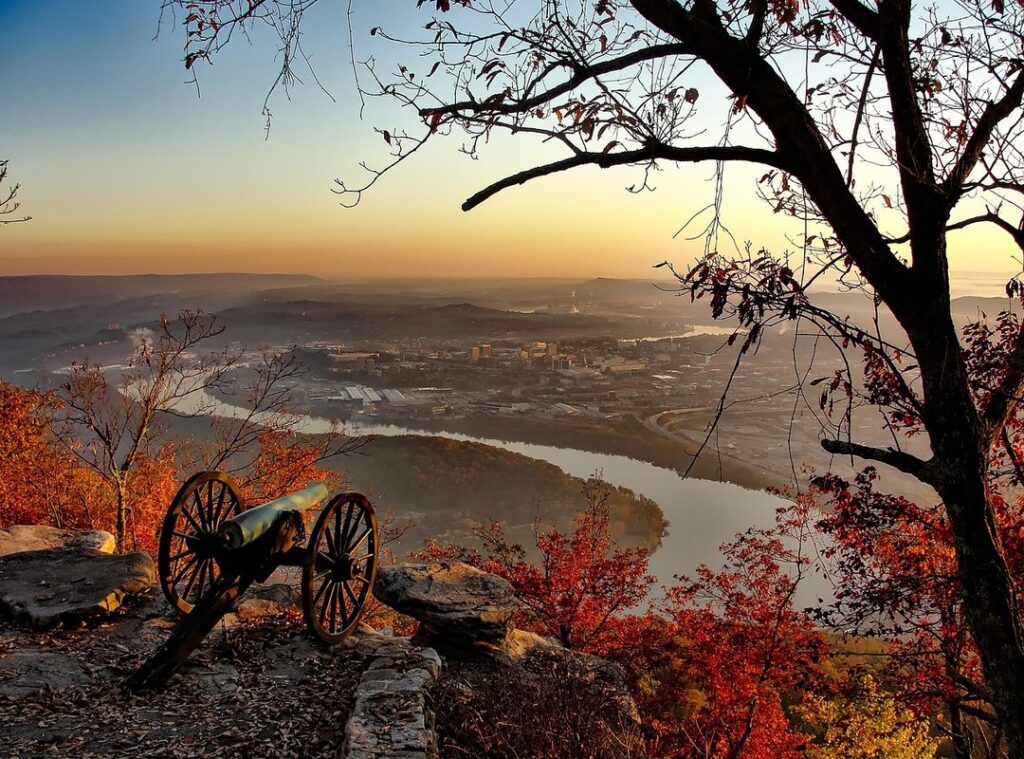
You want to know about historical landmarks Chattanooga? I get it. This city has a rich history and plenty of stories waiting to be uncovered.
But where do you even start?
I’ve walked through these landmarks and I’ve seen the hidden gems. They’re not just spots on a map; they’re pieces of the city’s soul. Chattanooga has a lot to offer, from the iconic battles fought here to the architecture that tells tales of resilience.
You might be wondering if it’s worth your time. Trust me, it is. I’ll guide you through the top spots, share takeaways, and give you the context that makes each landmark special.
By the end of this article, you’ll have a clearer picture of what makes Chattanooga’s history unique. You’ll also know what to see and why it matters. Let’s dive in and explore the past that shapes this lively city today.
Why Chattanooga’s Cultural Heritage Sites Matter
When I talk about Chattanooga’s cultural heritage sites, I’m not just thinking about old buildings. It’s about the stories and people that shaped this city. You know, those tales of Civil War battles, Native American displacement, and the industrial revolution?
They aren’t just history lessons; they’re the threads that weave Chattanooga’s identity.
These sites are more than just historical landmarks Chattanooga offers. They’re a window into national history, seen through a local lens. It’s fascinating how a single place can connect you to the broader narrative of a country.
Preserving these sites is key for understanding our past and shaping our future. They contribute to the city’s identity and provide context for where we’re headed. From ancient Native American lands to industrial innovations, each site tells a part of this complex story.
Ever thought of these places as living classrooms? They offer a chance to engage with the past, sparking a deeper connection. So why not dive into this history?
It’s right here, waiting for you to explore.
Echoes of Ancient Times: A Journey Through Chattanooga
Moccasin Bend National Archeological District is a must-see for anyone interested in the rich mix of Native American history. This place is like stepping into a time machine, offering glimpses into the lives of Cherokee cultures that thrived here for thousands of years. You wander these lands, and it’s like you’re walking with ghosts (in a good way).
The archaeological significance is undeniable. Visitors explore interpretive trails that weave through natural beauty. It’s not just about the past, though.
The space tells stories of resilience and change, reflecting the deep human experiences that unfolded here.
Let’s talk about the Trail of Tears. It’s heartbreaking, and Chattanooga was a key player in that tragic chapter. The stories of suffering and displacement are etched into the land.
You can’t visit without feeling the weight of history pressing down on you.
Brainerd Mission Cemetery offers a poignant reminder of early missionary efforts. It’s a place where you can almost hear the whispers of those who tried to forge connections with the Cherokee Nation. This spot is touching in its quiet solemnity.
Early settlers and indigenous populations faced immense challenges. Their stories are woven into the fabric of historical landmarks in Chattanooga. Want to know more about how this city evolved?
Check out the Chattanooga music scene. It’s all connected, really.
Civil War Crossroads: Battlefields of Chattanooga
Ever stood on a battlefield and felt history’s weight? At the Chickamauga and Chattanooga National Military Park, you can. It’s the nation’s first and LARGEST military park.
We’re talking about historical landmarks in Chattanooga that saw big moments in the Civil War. Lookout Mountain, known for the “Battle Above the Clouds,” offers stunning views (and not just in a scenic way). It showcases how terrain shaped battles.
Missionary Ridge and Orchard Knob were key to Union victories, altering the war’s course. Imagine standing where soldiers once decided the fate of a nation.
Visiting these sites isn’t just a walk; it’s an education. Monuments and historical markers tell stories better than any textbook. Visitor centers provide context and panoramic views?
They’re the cherry on top. But don’t just stand there: explore. The park’s vastness can be overwhelming.
So, where to start? First-time visitors should check out the self-guided tours. They’re informative and let you set your pace.
Got questions about how gentrification impacts Chattanooga’s growth? You might want to learn more. It’s key to understand how history and modern changes intertwine.
So, next time you’re in Chattanooga, don’t miss these battlefields. They offer a glimpse into the past and a reminder of the sacrifices that shaped America.
Industrial Pulse: Chattanooga’s Transformation
Ah, Chattanooga! A city that refuses to be pinned down to its past. I’ve always admired how it’s embraced both its industrial roots and modern evolution.
Take the Tennessee Valley Railroad Museum, for instance. This place isn’t just nostalgic; it’s immersive. Riding those steam engines is like stepping back into the industrial era (minus the soot in your eyes).
The Walnut Street Bridge? It’s the bridge that literally connects history with today’s urban life. Once a must-use for transportation, now it’s all about leisurely strolls connecting downtown to the North Shore.
Who would’ve thought a bridge could symbolize urban renewal so well?
And let’s not skip Ross’s Landing. With the Tennessee Riverfront right there, this spot has seen it all. From old-time river commerce to today’s cultural events, it’s the pulse of evolving history.
You can feel the city’s resilience in these spaces.
Chattanooga isn’t just sitting on its laurels. It’s a city that’s moved from industry to vibrancy. If you’re curious to see more, I’d suggest checking out the 10 best chattanooga sights & landmarks ….
There’s more than enough to keep history lovers busy.
Living Heritage: Culture in Motion
Chattanooga’s cultural heritage isn’t just about dusty artifacts in a museum. It’s alive and kicking in the city’s lively community spaces. Take the Bessie Smith Cultural Center.
It’s more than a building; it’s a beacon of African American history. Jazz and blues legends like Bessie Smith aren’t just remembered here. They’re celebrated.
You can feel the rhythm of history in its walls.
Now, let’s talk about the Tivoli Theatre, often called “the Jewel of the South.” This place isn’t just a historical landmark in Chattanooga. It’s a living stage where the past meets the present. The performances there keep the city’s cultural heart beating.
Then, there’s the Bluff View Art District. Here, art, architecture, and food blend to create a unique cultural fabric. It’s not just a pretty place; it’s a how art can shape a city’s soul.
These sites connect us to our history while keeping us rooted in the present. They build community, carrying Chattanooga’s rich cultural story forward. What more could you ask for in a city?
Discover the Depth of Chattanooga’s History
Exploring Chattanooga’s cultural heritage sites is more than just a trip. It connects you to historical landmarks Chattanooga that have solid stories. Without guidance, you risk missing the true significance of these places.
This guide helps you dive deeper into the rich narratives behind the sites.
You want meaningful experiences, right? Use this guide to plan your next adventure. You’ll see the sites but also understand their importance.
Start planning your exploration today and uncover the incredible stories waiting for you in Chattanooga. Don’t miss out on what matters.