
I read about 50 business news articles every morning before most people finish their coffee.
You know what I’ve noticed? Half of them contradict each other. The other half might be written by AI that doesn’t understand what it’s reporting.
You’re trying to make smart decisions but the world business news gscnewstown landscape keeps throwing garbage at you. One site says the market’s crashing. Another says it’s the best time to invest. Both cite “experts.”
Here’s the real problem: you don’t have time to fact-check every headline that crosses your screen.
I built a system for cutting through this mess. It’s not complicated but it works.
This article gives you a framework for spotting trustworthy sources fast. I’ll show you what to look for and what to ignore when you’re scanning world business news gscnewstown coverage.
We focus on journalistic standards that actually matter. Not the fancy ones that sound good in a mission statement. The ones that separate real reporting from content mills.
You’ll learn how to vet a source in under two minutes. And I’ll give you a quick brief on what’s happening right now in global business, pulled from sources that passed the test.
No fluff. Just a clear way to separate signal from noise.
The Modern Challenge: Why Trust in Business News is Eroding
You open your phone and see 47 notifications about the same story.
Each one tells it differently.
I watch this happen every day here in Chattanooga. People ask me which source they should trust. And honestly, I understand why they’re confused.
The Information Overload Problem
We’re drowning in content. You’ve got traditional outlets, niche blogs, Twitter threads from self-proclaimed experts, and TikTok finance gurus all competing for your attention.
The problem? Most of them aren’t vetted. Anyone can start a business blog tomorrow and sound authoritative. (I’ve seen accounts with 500 followers get more engagement than established newsrooms.)
That’s why I started gscnewstown. Someone needed to cut through the noise.
But here’s what really bothers me. The race to publish first has killed accuracy. News outlets push stories out before they’ve confirmed basic facts. Then they quietly update or retract hours later after everyone’s already shared the wrong information.
I saw this happen with a local manufacturing story last month. Three outlets reported layoffs that never happened.
And then there’s your news feed. It learns what you click on and shows you more of the same. You think you’re getting a full picture of world business news gscnewstown covers, but you’re really just seeing what an algorithm thinks will keep you scrolling.
It creates these bubbles where:
- Your feed confirms what you already believe
- Opposing viewpoints never reach you
- You miss important stories that don’t fit your pattern
The result? We all end up with different versions of reality.
The 5-Point Framework for Identifying Credible Sources
Most people don’t actually check their sources.
They see a headline that confirms what they already believe and they run with it. I’ve done it too. We all have.
But when you’re making decisions that affect your money or your understanding of what’s happening in the world, you need better than that.
I’m not saying you need to fact-check every single thing you read. That’s exhausting and honestly impossible. What I am saying is you need a quick way to separate the real stuff from the garbage.
Here’s what I use.
Does it cite primary data? This is my first filter. If an article makes a claim about unemployment or market performance, I want to see links to the actual source. SEC filings. BLS reports. BEA data. Academic studies. Not just “experts say” or “according to sources.” When world business news gscnewstown covers economic stories, we link directly to the original data because that’s what matters.
Can you tell news from opinion? Look, I have opinions. You’re reading one right now. But credible outlets make it obvious when they’re giving you facts versus when they’re giving you analysis. If everything reads like an opinion piece but nothing’s labeled that way, something’s off.
Do they fix their mistakes? Nobody gets everything right. What separates good sources from bad ones is whether they own up to errors. I look for a corrections policy that’s easy to find. If a publication hides its mistakes or pretends they never happened, I don’t trust anything else they publish.
Is the headline honest? You know the ones I’m talking about. The headlines that promise something wild and then the article barely delivers. Credible sources don’t need to trick you into clicking. Their headlines match their content.
Do they show different sides? This one’s tricky because some people think balance means giving equal weight to nonsense. That’s not what I mean. What I want to see is whether a source includes perspectives from different stakeholders, especially when those views conflict. Real reporting includes quotes from people who disagree.
That’s it. Five checks that take maybe thirty seconds once you get used to them.
Key Global Business Updates (As of Q3/Q4 2024)
I was talking to a manufacturer friend in Chattanooga last month. He told me something that stuck with me.
His company just signed contracts with three different suppliers across two continents. Five years ago? They bought everything from one factory in China and called it a day.
That conversation isn’t unique. It’s happening everywhere.
The Great Supply Chain Diversification
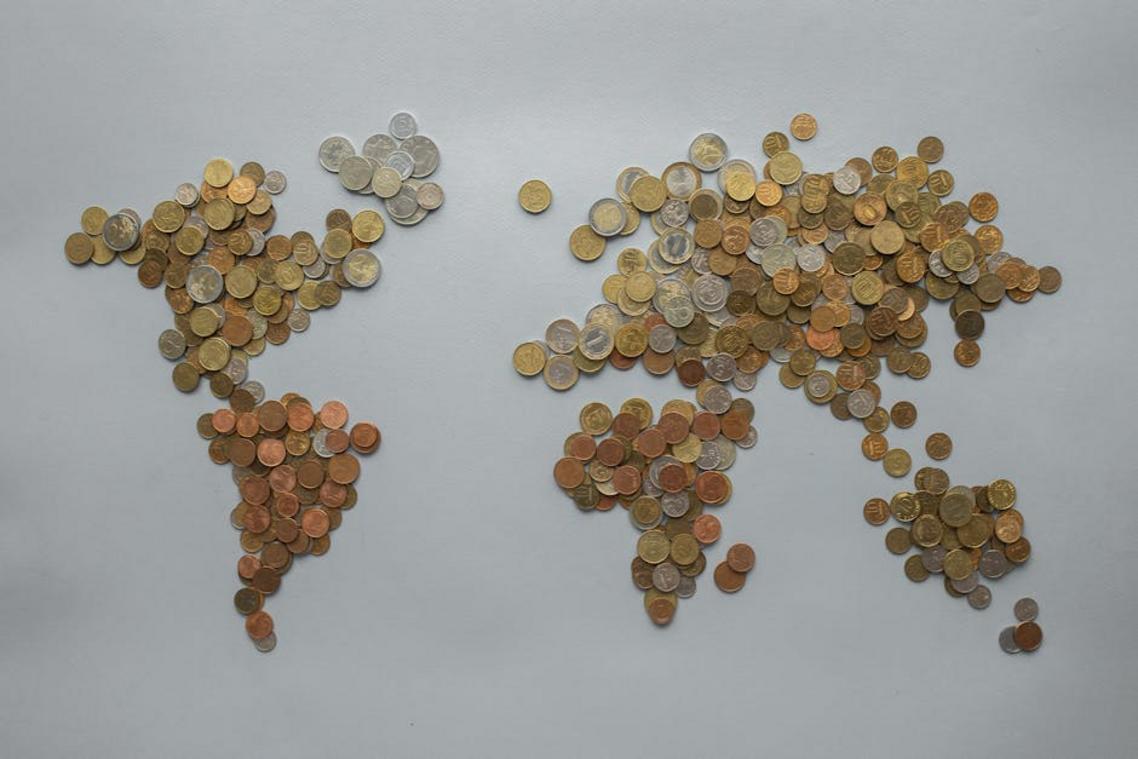
Companies are spreading their bets. The World Trade Organization reported that nearshoring and friendshoring jumped 23% in 2023 alone. What that means is simple: businesses don’t want to rely on one country anymore.
Mexico is seeing record manufacturing investment. So is Vietnam. Even parts of Eastern Europe are getting attention they haven’t seen in decades.
Some people say this is inefficient. They argue that concentrated supply chains kept costs low for consumers and that’s what mattered most.
But here’s what changed. A single disruption can shut down your entire operation when you’re dependent on one source. We saw it during the pandemic. Companies watched their revenues disappear because they couldn’t get parts.
Now they’re paying a bit more to sleep better at night.
The Global AI Governance Race
The EU’s AI Act went into effect this year. It’s the first major regulatory framework that actually has teeth. The U.S. is working on its own approach through executive orders and state-level action.
What matters for business updates gscnewstown coverage is this: companies building AI tools now face real compliance costs. The Brookings Institution estimates that meeting EU requirements alone could cost mid-sized tech firms upward of $2 million annually.
The New Dynamics in Energy and Commodities
Energy markets are weird right now. The International Energy Agency shows that green energy investment hit $1.7 trillion in 2023. That’s more than fossil fuel investment for the first time ever.
But oil prices? Still volatile. Geopolitical tensions keep supply uncertain while demand patterns shift faster than anyone predicted.
What I’m watching is how this plays out for world business news gscnewstown and beyond. Because energy costs touch everything from shipping to manufacturing to your grocery bill.
Practical Habits for a Smarter News Diet
Curate Your Inputs
I use news aggregators to filter what hits my screen. According to a 2023 Reuters Institute study, people who actively curate their news sources report 40% less information overload than those who rely on social media feeds.
Build your feed around sources that pass basic credibility checks. It takes maybe 20 minutes to set up. But it saves you from wading through garbage every single day.
Practice Triangulation
Here’s what I do with any big story. I read it from at least two different outlets before I form an opinion.
A Stanford study found that readers who compare coverage across multiple sources are 3x more likely to spot bias and missing context. (Makes sense when you think about it.)
For business news, I check what is the site for business gscnewstown alongside other vetted sources. Different perspectives fill in the gaps.
Schedule Your Consumption
Stop checking news every time you’re bored.
Research from the American Psychological Association shows that constant news checking increases anxiety by 27% and leads to worse decision-making. Set specific times instead. I check world business news gscnewstown twice a day. Morning and evening.
That’s it.
You stay informed without turning into a reactive mess who can’t think straight.
From Information Overload to Informed Confidence
You came here looking for trustworthy global business updates.
Now you have the latest trends and a system you can use again and again.
The real problem was never a lack of information. It was the noise. The unreliable sources. The headlines that promised everything and delivered nothing.
That’s what makes world business news gscnewstown different.
I built the 5-point credibility framework because I was tired of wading through garbage. You can use it to filter out what doesn’t matter and zero in on what does.
Here’s what to do: Pick one story you’re following right now. Run the source through the principles we covered. Check the credibility markers. Look for the bias. Verify the facts.
Do that once and you’ll see how much clearer things become.
Your business strategy depends on good information. Start building that foundation today.
