
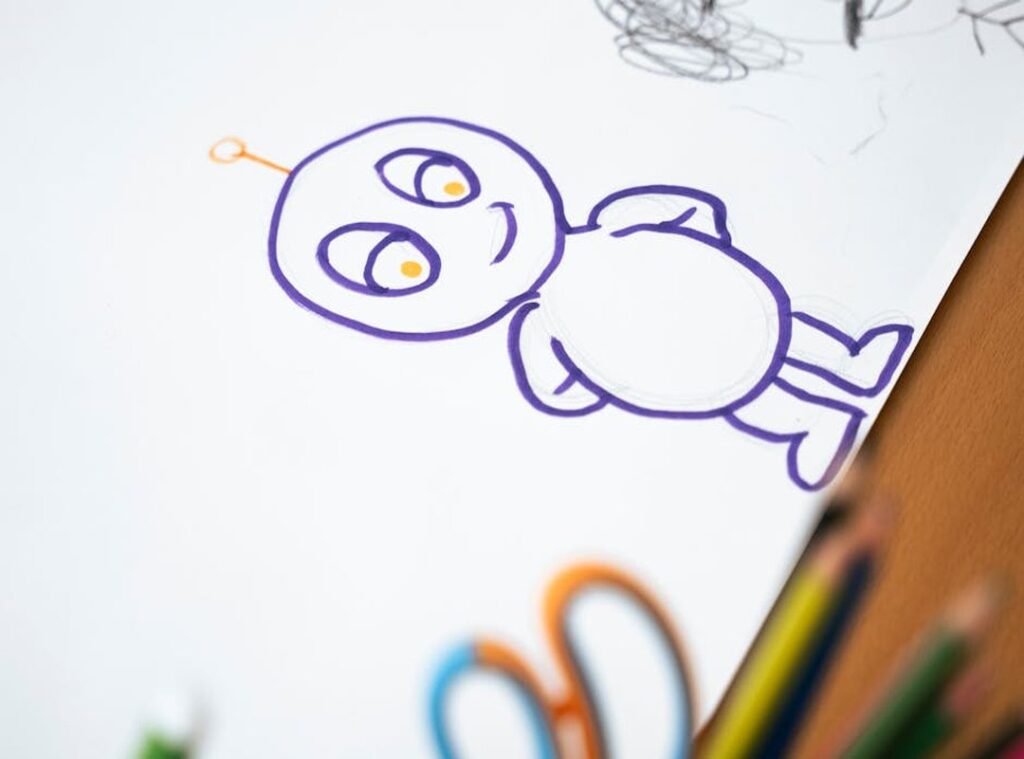
I’ve watched too many artists draw perfect faces (then) wonder why no one remembers their characters.
You know that feeling. You spend hours on anatomy, shading, color theory (and) still, something’s missing.
It’s not about drawing better. It’s about designing smarter.
Characters stick when they tell a story before they speak a word. When their posture, clothing, or even the way they hold a coffee cup says who they are.
I’ve helped hundreds of storytellers and game devs do this. Not by teaching them to draw like pros, but by showing them how to make choices with purpose.
Why does this jacket have three buttons instead of two? Why is her hair uneven? Why does he wear gloves in summer?
Those aren’t details. They’re answers.
And Character Design Tips Altwayguides pulls those answers straight from real work (not) theory, not trends, not guesswork.
This isn’t a list of rules. It’s a set of decisions you can use today.
You’ll learn how to shape personality through silhouette. How to imply history without exposition. How to make someone feel real.
Even if they’re six feet tall and made of moss.
No fluff. No jargon. Just what works.
You’ll walk away knowing exactly what to change. And why it matters.
Start With Their Story
I don’t draw a character until I know who they are. Not their outfit. Not their sword. Who they are.
You’ll waste hours on details if you skip this step. And yes (I) mean hours. (I’ve done it.
Twice.)
What do they want? What scares them? What makes them snap?
Those answers shape everything (posture,) scars, how they hold their eyes.
A brave knight stands tall even when tired. A sneaky rogue slouches just enough to disappear in crowds. Same armor.
Different people.
You’re not designing clothes. You’re designing consequences.
Want more Character Design Tips Altwayguides? Altwayguides walks through this exact process (no) fluff, just real talk.
Ask yourself: Would this person walk into a bar and order a drink (or) slip in through the back window?
That tells you more than any sketchbook ever will.
Their story comes first.
Always.
Shape Language Is Not Magic. It’s Physics.
I see shapes before I see faces. Circles feel soft. Squares feel solid.
Triangles feel sharp.
You already know this. You feel it when you look at a cartoon bear versus a robot versus a villain’s cape.
Circles say safe or kind. Think round eyes, pillowy cheeks, curved shoulders. Squares say reliable or grounded.
Think broad chests, boxy helmets, straight-edged shields. Triangles say dangerous or fast. Think pointed ears, jagged teeth, arrow-shaped hair.
I put circles on heroes who listen. Squares on leaders who hold the line. Triangles on rivals who cut first.
You don’t have to pick one. Real people mix shapes. A square-jawed detective with round glasses?
He’s tough but curious. (That’s why he solves the case.)
A triangle-tipped sword on a round-faced knight says he means business but hates bloodshed.
Don’t overthink it. Your gut knows. Test silhouettes first (no) details, just outlines.
If it reads angry, calm, or sly before you add color or texture (you’ve) nailed it.
This isn’t theory. It’s how your brain works. You’re already doing it.
Want more practical moves like this? Check out Character Design Tips Altwayguides.
What Your Character’s Colors Really Say
I pick red when I want someone to feel danger before they read a word.
It works every time.
Blue does calm. Or sadness. Or both.
You know this already.
Green says nature. Or envy. Or money.
(Yes, green means money too. Try arguing with that.)
Yellow grabs attention. Fast. But too much feels chaotic.
Like yelling in a library.
I limit my palettes to three colors max. Four is noise. Five is confusion.
One dominant color anchors the whole design.
Then one or two accents point to what matters most. A weapon, a scar, a smirk.
You’re not decorating a room.
You’re telling a story in under a second.
Colors skip language. They hit emotion first. That’s why a villain in purple feels different than one in gray.
Want proof? Look at any game character you remember instantly. Chances are, their color scheme did half the work.
This isn’t theory. It’s what players actually respond to. And it’s why smart designers treat color like dialogue (not) decoration.
If you’re building characters for games, this guide covers how color choices shape player instinct faster than backstory ever could.
learn more
Character Design Tips Altwayguides starts here. Not with brushes, but with meaning. No fluff.
Just what moves people.
Costumes and Props: What Your Character Wears Says Everything

I look at a character’s clothes before I hear their name.
Their outfit tells me more than their dialogue does.
What do they do for a living? Where do they sleep at night? What do they protect, hide, or carry with pride?
A wizard doesn’t just wear robes. They wear stained robes, a cracked staff, and a ring with worn-down runes. (That ring’s been passed down.
Or stolen.)
A mechanic doesn’t just wear overalls. They wear ones with oil-stained knees, duct-taped pockets, and a half-burnt receipt folded into the seam.
You don’t need fancy gear. You need tells. A chipped tooth.
A mismatched earring. A watch they never wind.
These details aren’t decoration. They’re evidence. They answer questions before you ask them.
Right now, in this season of long shadows and shorter deadlines (your) character’s costume is doing work. Even when they’re silent.
Don’t add props to fill space. Add them to raise questions. Why does she always hold that spoon?
Why does he check his left cuff first?
That’s where real Character Design Tips Altwayguides live (not) in rules, but in choices that feel inevitable.
You already know what feels off about a costume that says nothing.
So fix it.
Exaggerate. Simplify. Recognize.
I push features until they snap into place. Big eyes. Tiny feet.
A jawline that could cut glass.
A strong silhouette works even when the lights go out. Try squinting at your sketch. Can you name it without color or texture?
You want people to get your character in under two seconds.
That means killing the noise.
Too many details blur the message.
I cut lines until only the idea remains.
You’re not drawing a person. You’re drawing a feeling.
This isn’t about realism. It’s about recognition. About memory sticking.
Want more practical Character Design Tips Altwayguides?
learn more
Your Characters Are Waiting
I’ve seen too many people stall at the sketch stage. You want characters that stick in people’s heads. Not just look cool on paper.
That happens when you care about story, shapes, colors (and) the little choices no one notices until they do.
You don’t need perfection. You need practice. Try one thing today.
Just one. Pick a half-finished character. Or start fresh (and) apply Character Design Tips Altwayguides right now.
Why wait? Your audience won’t connect with vague silhouettes or generic faces. They’ll connect with what feels true.
So open your sketchbook. Or fire up your tablet. Or grab a pen and napkin.
Do it before you overthink it.
Start designing your unforgettable characters today.
