

Election discourse is a battlefield. Misinformation and biased narratives are everywhere, muddying the waters of our political discussions.
I see it all the time. You probably do too.
How can we trust what we hear? How can we know what’s real? This is why we need to dive into election rhetoric analysis.
I want to help you cut through the noise.
My goal is to educate you on how to critically evaluate the messages bombarding us during election season. It’s not just about what’s being said; it’s about who’s saying it and why.
The stakes are high. We owe it to ourselves and each other to seek the truth.
I promise you’ll walk away with the tools you need to sift through the clutter.
You deserve clear, factual analyses that don’t just echo the same tired narratives.
I’m committed to providing that.
In this article, we will explore the importance of understanding election discourse. We will unpack the strategies behind political messaging and equip you to think critically.
Let’s get started. The clarity you seek is just ahead.
Election Discourse: The Real Game of Thrones
Election discourse is like the script of a political drama, shaping public opinion and democracy. It involves speeches, debates, and media coverage. Think of it as the ultimate reality show where the stakes are your future.
When candidates stand on stage, each word is carefully chosen (or at least it should be). Speeches are crafted to inspire or provoke, depending on the plan. Debates?
They’re like verbal boxing matches. Each punch lands in the form of a well-timed argument. The media, the ever-present commentator, dissects every word and gesture, amplifying its impact.
Remember the Kennedy-Nixon debates? Those were game-changers, proving that how you look can be as important as what you say. More recently, Obama’s speech at the 2004 Democratic National Convention was a masterclass in election rhetoric analysis.
It wasn’t just a speech; it was a launchpad to the presidency.
But it’s not just about the candidates. It’s about how we, the audience, interpret and react to their words. Are we swayed by charisma or policy?
Do we care more about facts or feelings? These questions linger long after the ballots are cast. In the end, election discourse is the heartbeat of democracy.
Election Discourse: Navigating the Noise
Election rhetoric analysis is a minefield. I’ve seen it firsthand in every news cycle. You think you’re getting the facts, but bias creeps in, distorting everything.
Remember the last election? It felt like a circus. You couldn’t tell what was real.
People talk about misinformation like it’s new. It’s not. It’s just louder now (thanks, social media).
Bias isn’t just an opinion. It’s a weapon. It skews public perception and manipulates emotions.
I once fell for a headline that seemed credible. Turns out, it was misleading. But how many others didn’t dig deeper?
That’s the danger. Emotional manipulation plays on our fears. It’s solid.
Politicians know this. They’ve been doing it forever.
Statistics back this up. In one election, a staggering 70% of voters reported encountering false information. That’s not just a blip.
It’s an epidemic. We’ve got to stay sharp. Analyze, question, dissect.
Don’t just accept what’s thrown at us. It’s not just about elections. It’s about understanding the bigger picture.
We also need to consider how other issues, like climate policy, are discussed. For a deeper dive, you might want to check out our Climate Policy Key Analysis. It’s all connected.
Stay informed. That’s my advice. Don’t let rhetoric fool you. It’s a challenge, but it’s necessary.
Tools for Election Rhetoric: Evaluating the Noise
I know firsthand how overwhelming it can be to sift through the noise of election season. The key? Practical tools and techniques.
I’ve spent countless hours on this, and let me tell you, fact-checking websites are your best friend. Sites like FactCheck.org and PolitiFact save time and sanity. They cut through the nonsense and get you to the truth quickly.
But don’t just rely on fact-checkers. You need to dig deeper. Bias-checking tools like AllSides can help.
They show you how different outlets might spin the same story. It’s eye-opening. You might think you’re getting the full picture, but are you?
Here’s a technique I’ve used: scrutinize the language. If something feels too good (or bad) to be true, it probably is. Look for emotional triggers.
They often hide the facts. And watch for loaded language. It’s a classic tactic to sway opinions without real evidence.
Want to apply these tools effectively? Start by choosing a recent political ad or speech. Then, break it down.
Use a fact-checker to verify claims. Next, assess the bias with your bias-checking tool. Finally, reflect on how the rhetoric made you feel.
Did it manipulate your emotions? If so, why?
For more on this, check out election rhetoric analysis. It’s a fascinating read. And remember, it’s not just about finding the truth.
It’s about understanding the game. With these tools, you’ll be ready to tackle any political message thrown your way.
Election Discourse: Lessons from the Trenches
I’ve seen how election rhetoric analysis can cut through the noise. Look at how some case studies show that when you dig deep into political chatter, you start to see patterns. Patterns that aren’t just about who yelled the loudest.
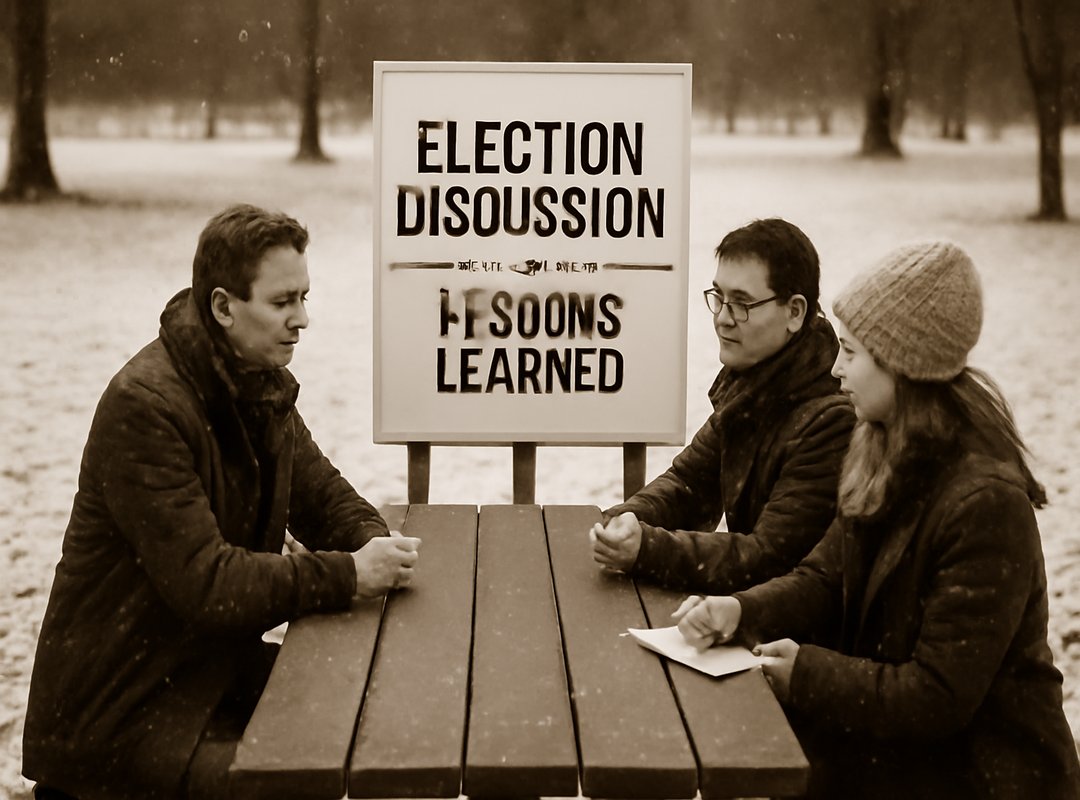
Take the 2020 election cycle, for instance. By analyzing the discourse, researchers uncovered how misinformation spread like wildfire. That’s not just interesting (it’s) important for understanding voter behavior.
But what can we learn here? It’s all about methodology. You can’t just skim headlines and expect to grasp the full picture.
You need to dive into the sources, check the biases, and ask the hard questions. It’s not easy, but it’s worth it. I’ve found that a diverse range of perspectives always brings out a more subtle understanding.
You get a full view only when you consider every angle.
Does this mean every analysis leads to better outcomes? Not always. But when it does, it can reshape public opinion and policy.
So, here’s my advice: don’t take election rhetoric at face value. Dig into it. Be skeptical.
You’ll find that the truth is often hidden beneath layers of noise and hype.
Election Discourse: Engaging the Right Way
I get it. Politics can be a minefield, especially during election season. But diving into an election rhetoric analysis requires a different approach.
Start with listening. Really listening. We often jump to rebuttal mode before the other person even finishes.
Why? Fear of being wrong or just wanting to be heard?
Next up, open-mindedness. It’s not some feel-good fluff. It’s important.
Without it, every discussion becomes a shouting match. Trust me, I’ve been there. You need to genuinely consider the other side’s viewpoint.
Maybe even learn something. (Shocking, I know.)
Now, how do we keep it respectful? Use facts. Not the “I heard on Facebook” kind.
Real facts. In personal settings, set ground rules. No interrupting.
In public, encourage informed voices.
And don’t forget the power of questions. Ask them. Lots of them.
Not to trap but to understand. Why does this matter? Because informed dialogue can lead to change.
It’s not just talk.
For more on how economic trends affect political dialogue, check out examining economic forecasts. It’s all connected, really. Politics, economy, our daily lives.
They intersect more than you’d think.
Raise Your Voice in Elections
Understanding election rhetoric analysis is key. You need to dissect the messages candidates share. Don’t just take their words at face value.
Engage with the information critically. Ask questions.
Apply the tools we discussed in your decision-making process. Elections aren’t just about choosing; they’re about understanding.
Your voice matters, and informed choices shape the future.
If you’re ready to raise your participation, start analyzing the discourse now. Dive into the conversations, challenge the narratives, and help your voice.
Make your vote count. Don’t wait. Get involved in the upcoming elections today.
