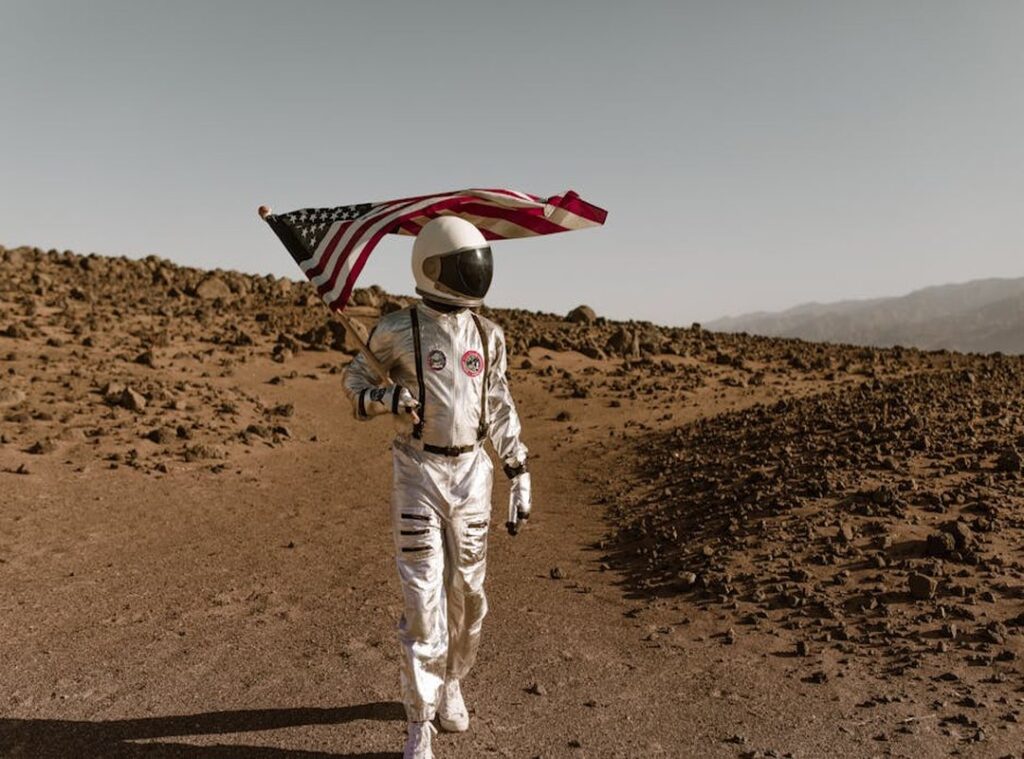
Space exploration isn’t just for scientists or sci-fi fans anymore. It’s becoming a real part of our future.
I get it, the sheer scale of what’s happening in space can feel overwhelming. Ambitious plans, wild ideas, and projects that seem light-years away make it hard to see what’s truly progressing.
But I’ve spent time tracking the rapid advancements in aerospace. I know how to cut through the noise.
This article will demystify the space exploration future. I’ll break down key missions, new technologies, and the actual impact they will have on our lives.
I’ve witnessed the evolution from early private rocket launches to the engineering feats of complex lunar missions. Each step brings us closer to the stars.
You’ll come away with a clear understanding of what’s next in humanity’s journey. Let’s dive into the exciting space ahead of us.
The Next Great Adventure: Space Destinations
Alright, where are we going next in space? It’s all about the space exploration future. First, we’ve got the Moon.
NASA’s Artemis program aims to set up camp there. Why? Water ice.
It’s like finding gold back in the Wild West days. Permanent bases on the Moon could pave the way for us to reach Mars (a bit grand, but I’m all for it).
Now, Mars. Human missions are no longer just sci-fi. But colonizing Mars is a beast of a challenge.
Imagine living in a place colder than Antarctica with thin air. Terraforming Mars sounds wild, yet folks are working on concepts as crazy as greening the Martian soil.
Then we’ve got asteroid mining. It holds massive economic potential. Metals, water (you) name it.
Deep space isn’t left out. We’ve got our eyes on Jupiter’s icy moons like Europa. And let’s not forget the hunt for exoplanets with modern telescopes.
Of course, there are tech hurdles, but those challenges make it exciting.
Every step from lunar bases to deep space echoes our shift from temporary visits to staying. Speaking of tech leaps, it’s akin to diving into Quantum Computing Theory Practice. It’s all interconnected, a new frontier after another.
Beyond Rockets: New Frontiers in Space
When it comes to the space exploration future, propulsion systems are the star players. Nuclear thermal propulsion and electric propulsion (think ion drives) are changing the game. Sure, warp drives and EM drives sound thrilling, but let’s keep them in the “maybe someday” category.
Now, let’s talk about robotics and AI. They’re not just for sci-fi anymore. Robots handle autonomous exploration and build stuff in crazy environments.
AI-driven mission control is like having a genius on your team 24/7. Does this mean no more human astronauts? Not quite, but it sure changes their role.
In-situ resource utilization (ISRU) is the nerdy term for using what’s out there. Imagine manufacturing fuel and water from lunar regolith. It’s all about making life sustainable without Earthly baggage.
That’s the real future of space travel.
Advanced life support systems are key too. Closed-loop environmental controls and artificial gravity could make long missions bearable. Without them, we’re just floating in the void with a limited oxygen supply.
Finally, new materials like lightweight and radiation-resistant composites are important. They make spacecraft tougher and more fast. It’s all about building resilience in hostile space environments.
In short, these innovations are shaping our interstellar future. Are you ready for the ride?
Private Pioneers: Taking Space to New Heights
It’s not just NASA’s playground anymore. The private sector has blasted onto the space scene with companies like SpaceX, Blue Origin, Rocket Lab, and Virgin Galactic leading the charge. They’ve turned what was once a government-only affair into a bustling, competitive market.
You know what’s wild? Reusable rockets. SpaceX and Blue Origin are making this mundane.
And don’t forget about space tourism. Virgin Galactic wants to make you an astronaut.
This shift isn’t just about flashy launches. It’s about cost, too. Competition is driving down prices, making space more accessible.
The result? Faster technological advancements. Remember how expensive a cell phone was back in the day?
Now, think of that for space travel. It’s happening.
But it’s not all about tourism or low-cost launches. The future holds more. Private space stations, asteroid mining, commercial lunar lander services.
The possibilities are endless. This isn’t sci-fi. It’s our space exploration future.
Could this lead to a full-fledged ‘space economy’? I think so. We’re just scratching the surface.
Expect new industries and opportunities you can’t even imagine yet. Bold and exciting, this private sector revolution is redefining what’s possible in space.
Space Exploration: Challenges and Opportunities
Ever thought about the price tag on space exploration? It’s huge, and the debate over costs versus benefits never ends. Do we really need to spend billions on these projects?
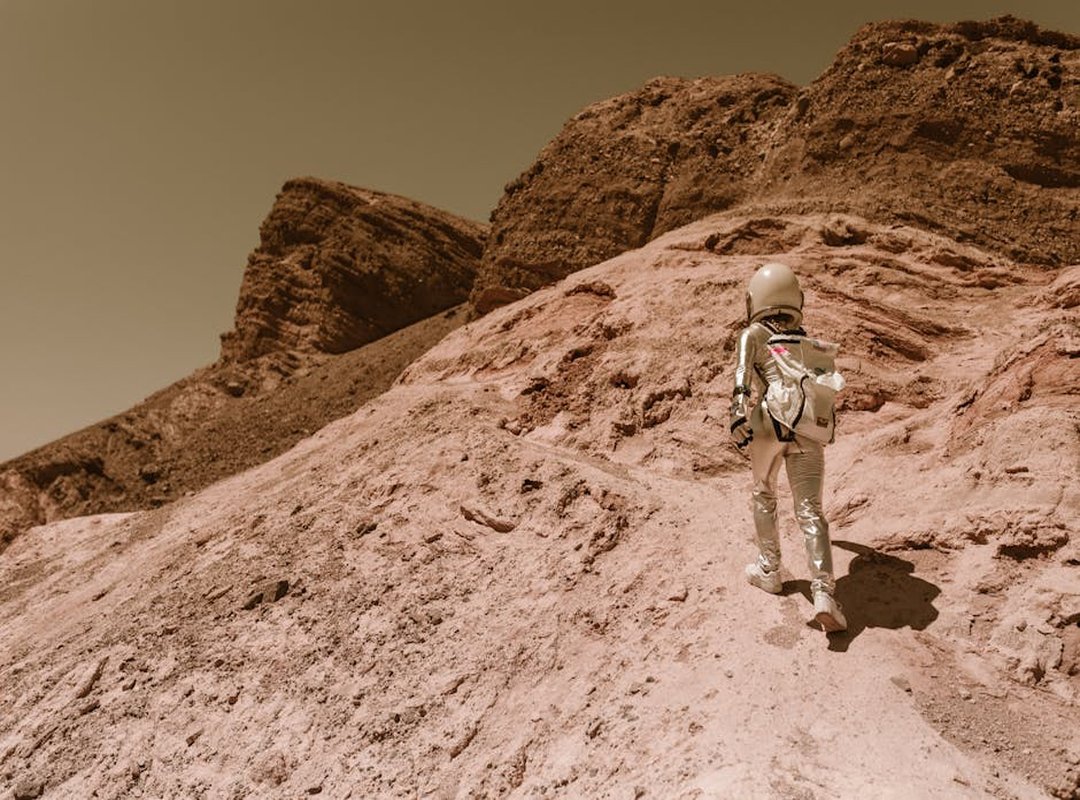
Well, yes. To open up the future, international cooperation is key. Without it, we’re just spinning our wheels.
Let’s talk about the human side. Space isn’t just a playground for tech. It’s a battlefield for the human body and mind.
Long missions mess with your bones and brains. Ever heard of radiation exposure? It’s like living in a microwave.
Isolation is another beast. Being alone out there can drive you nuts, literally.
And then there’s space junk. Satellites, fragments, debris. All orbiting like a chaotic dance.
The dreaded ‘Kessler Syndrome’ could crash the space party. What are we doing about it? Not enough.
Ethics, too, are a minefield. Who owns space resources? How do we protect other planets from us (and vice versa)?
Militarization is lurking, and it could ruin everything.
We need strong international policies before things get out of control. Legal frameworks must make sure our space exploration future is peaceful and fair. Let’s face it, without these, we’re just asking for trouble.
Back to Earth: Space Exploration’s Surprising Benefits
Let’s face it, space exploration isn’t just about sending rockets into the void. Every time we push the boundaries of the cosmos, there’s a ripple effect on Earth. Take GPS.
We can’t get from point A to B without it. Not to mention how advanced weather forecasting saves lives. Curious about the weather next week?
Thank a satellite.
And speaking of satellites, they play a key role in understanding climate change. We’ve got this unique global perspective, thanks to them. Imagine Earth without these eyes in the sky.
No thanks.
Now, let’s talk inspiration. Space exploration ignites the dreams of future scientists and engineers. It unites us in what feels like an epic sci-fi movie.
Minus the aliens (for now). This drive fuels innovation across industries. Haven’t you noticed?
Resource diversification? Sure, it sounds futuristic, but mining asteroids for rare elements could be our next frontier. And who knows?
Maybe energy solutions lie up there, waiting. It’s this constant curiosity driving the “space exploration future.”
Curious about tech mixed with moral debates? Dive into the ethics artificial intelligence debate. It’s like space, but with algorithms.
Embrace the Cosmic Adventure
The space exploration future is unfolding right now. It’s not some distant fantasy. I’ve laid out the advancements and their impacts, making it easy to grasp.
Understanding these changes helps us appreciate human ambition and the drive for knowledge. So why sit back? Stay curious and follow the missions and discoveries coming our way.
Ask yourself how you fit into this exciting narrative. Get involved. Explore blogs, podcasts, or events focused on space.
Your journey starts with a single click. Dive in and be part of humanity’s quest to reach the stars. Don’t miss out.